
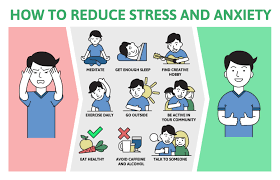
Mental health is an essential aspect of overall well-being. Stress and anxiety have become common challenges in modern life due to fast-paced routines, work pressure, personal responsibilities, and global uncertainties. Prolonged stress and anxiety can negatively impact physical health, sleep, relationships, and productivity. Learning how to manage and reduce stress is crucial for maintaining balance, improving focus, and enhancing quality of life.
Understanding Stress and Anxiety
Stress is the body’s natural response to challenges, pressure, or threats. Short-term stress can be beneficial, motivating individuals to take action or perform better. However, chronic stress can disrupt physical and mental health.
Anxiety is a feeling of worry, nervousness, or fear about uncertain outcomes. While occasional anxiety is normal, persistent anxiety can interfere with daily activities, decision-making, and overall happiness.
Recognizing the signs of stress and anxiety—such as irritability, restlessness, fatigue, difficulty concentrating, and sleep disturbances—is the first step toward managing them effectively.
Practice Mindfulness and Meditation
Mindfulness involves being fully present in the moment without judgment. Meditation and breathing exercises help calm the mind, reduce stress, and improve emotional regulation.
Practicing mindfulness daily, even for 10–15 minutes, can lower cortisol levels (the stress hormone), enhance focus, and promote a sense of inner peace. Techniques such as deep breathing, body scans, or guided meditation are highly effective in reducing anxiety.
Maintain a Healthy Lifestyle
Physical health and mental well-being are interconnected. Regular exercise releases endorphins, which naturally elevate mood and reduce stress. Activities such as walking, jogging, yoga, or swimming help relax the body and mind.
A balanced diet also supports mental health. Nutrient-rich foods, including fruits, vegetables, whole grains, lean proteins, and healthy fats, provide essential vitamins and minerals that regulate mood and energy levels. Avoid excessive caffeine, sugar, and alcohol, as they can increase anxiety and disrupt sleep.
Establish a Consistent Sleep Routine
Sleep plays a vital role in managing stress and anxiety. Inadequate sleep can increase irritability, impair cognitive function, and amplify negative emotions.
Aim for 7–9 hours of quality sleep each night. Establishing a regular sleep schedule, creating a calming bedtime routine, and limiting screen time before bed improve sleep quality and help the mind relax.
Set Realistic Goals and Prioritize Tasks
Feeling overwhelmed by responsibilities can heighten stress and anxiety. Break tasks into smaller, manageable steps and prioritize them based on importance. Setting realistic goals prevents burnout and provides a sense of achievement as tasks are completed.
Using planners, to-do lists, or digital apps can help organize tasks efficiently and reduce mental clutter, allowing for better focus and reduced stress levels.
Practice Relaxation Techniques
Relaxation techniques such as progressive muscle relaxation, visualization, or listening to calming music can help reduce tension and anxiety. These practices activate the body’s relaxation response, lowering heart rate and promoting a sense of calm.
Incorporating relaxation breaks into daily routines, especially during stressful periods, helps maintain emotional balance and mental clarity.
Limit Exposure to Stressors
Identify sources of stress in daily life and find ways to minimize their impact. This may include reducing exposure to negative news, limiting time on social media, or avoiding toxic relationships.
Creating a supportive environment at home and work, setting boundaries, and learning to say no when necessary are important strategies for reducing unnecessary stress.
Build Strong Social Support
Having supportive friends, family, or peers significantly reduces stress and anxiety. Talking about challenges, sharing experiences, and seeking advice can provide relief and perspective.
Joining support groups or engaging in community activities can also enhance social connections, promote emotional well-being, and reduce feelings of isolation.
Engage in Hobbies and Leisure Activities
Taking time for hobbies, creative pursuits, and leisure activities is essential for mental health. Activities such as reading, painting, gardening, or playing music provide a healthy distraction, reduce tension, and enhance overall happiness.
Engaging in enjoyable activities regularly allows the mind to relax, improves mood, and strengthens resilience against stress.
Seek Professional Help When Needed
Persistent or severe stress and anxiety may require professional support. Therapists, counselors, or mental health professionals can provide guidance, coping strategies, and therapy options such as cognitive-behavioral therapy (CBT).
Professional help is not a sign of weakness but a proactive step toward mental well-being and long-term health.
Practice Gratitude and Positive Thinking
Cultivating a positive mindset and practicing gratitude can significantly reduce stress. Keeping a gratitude journal, acknowledging achievements, and focusing on positive aspects of life shift attention away from negative thoughts.
Positive thinking enhances resilience, improves emotional regulation, and fosters a healthier outlook on life.
Conclusion
Stress and anxiety are natural responses to life’s challenges, but they can be managed effectively through mindful practices, healthy habits, and emotional support. Regular exercise, proper sleep, balanced nutrition, relaxation techniques, social connections, and hobbies all contribute to improved mental health.
Recognizing the signs of stress, setting realistic goals, and seeking professional help when necessary empower individuals to maintain balance and resilience. By incorporating these strategies into daily life, it is possible to reduce stress, manage anxiety, and achieve overall well-being, leading to a healthier, happier, and more fulfilling life.
