
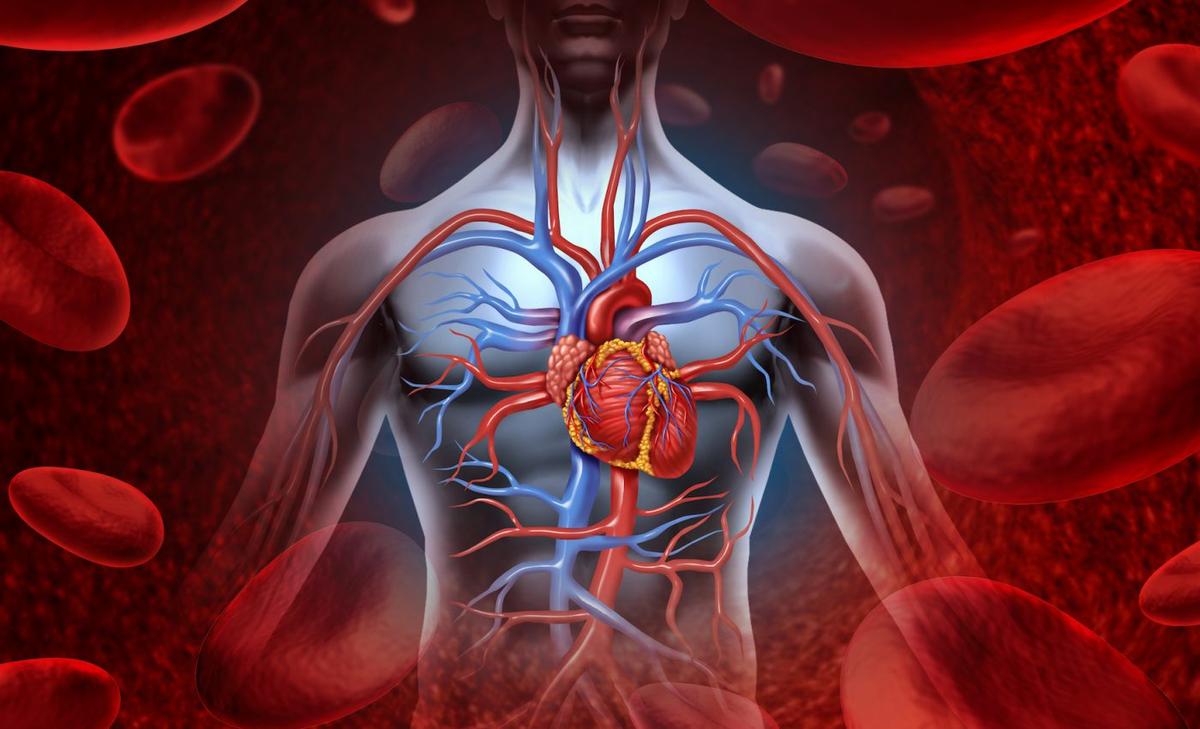
Heart disease has become the number one cause of death globally, affecting millions of people across all countries, cultures, and age groups. Despite advances in medical science and increased awareness about healthy living, cardiovascular disease continues to dominate the list of leading health threats. But why is heart disease so widespread, and what makes it so deadly?
In this article, we’ll explore what heart disease is, why it’s the leading killer worldwide, what factors contribute to it, and how you can protect yourself and your loved ones through early action and healthy lifestyle changes.
What is Heart Disease?
Heart disease is a broad term that refers to several conditions affecting the heart and blood vessels. The most common type is coronary artery disease (CAD), which occurs when the arteries that supply blood to the heart become narrowed or blocked. This can lead to chest pain, heart attacks, and even sudden death. Other types include heart failure, arrhythmias (irregular heartbeats), and congenital heart defects.
At the core, heart disease disrupts the ability of the heart to do its most basic job: pump oxygen-rich blood throughout the body. When this function is compromised, it can lead to a range of severe complications and, in many cases, death.
The Alarming Global Statistics
According to the World Health Organization (WHO), cardiovascular diseases claim an estimated 17.9 million lives every year, representing 32% of all global deaths. Of these deaths, over 85% are due to heart attacks and strokes. It affects both high-income and low-income nations, although access to prevention and treatment varies widely. In developing countries, limited healthcare infrastructure often results in delayed diagnosis and inadequate treatment.
What makes this even more concerning is that a large number of these deaths are preventable through early detection and lifestyle modifications. Yet, millions continue to die from heart disease due to lack of awareness and access to proper care.
Why Is Heart Disease So Common?
There are multiple factors that contribute to the widespread occurrence of heart disease. It is not just a problem for older adults or people in specific regions. The following are the most common reasons behind the rise in heart disease:
1. Unhealthy Diets: High consumption of saturated fats, trans fats, salt, and sugar contributes significantly to plaque build-up in the arteries. Fast food, processed snacks, and sugary drinks are now widely consumed, even in rural areas.
2. Lack of Physical Activity: Sedentary lifestyles are becoming more common, especially with the rise in desk jobs and screen-based entertainment. Regular exercise helps keep the heart strong and arteries flexible, but a large part of the global population does not meet the recommended physical activity guidelines.
3. Smoking and Alcohol Use: Tobacco use is one of the leading risk factors for heart disease. It damages the lining of the arteries and raises blood pressure. Excessive alcohol consumption can also raise cholesterol levels and lead to irregular heart rhythms.
4. Obesity: Being overweight puts extra pressure on the heart and increases the risk of conditions like high blood pressure, diabetes, and high cholesterol—all of which are major contributors to heart disease.
5. Stress and Mental Health: Chronic stress can increase cortisol levels in the body, leading to inflammation and higher blood pressure. Many people turn to unhealthy coping mechanisms like overeating or smoking when stressed, increasing their risk.
6. Genetic Factors: A family history of heart disease increases your likelihood of developing it, though lifestyle still plays a major role in how those genes express.
7. Poor Access to Healthcare: In many parts of the world, especially low-income countries, people don’t have regular access to doctors, diagnostic tests, or heart medications. As a result, heart conditions often go untreated until it’s too late.
The Connection Between Heart Disease and Other Conditions
Heart disease doesn’t occur in isolation. It’s often linked with other chronic health conditions like hypertension (high blood pressure), type 2 diabetes, and high cholesterol. These conditions are often called the “silent killers” because they rarely show symptoms in early stages. However, they slowly damage the arteries and heart over time.
For example, someone with uncontrolled high blood pressure can weaken their artery walls, making them more susceptible to a heart attack or stroke. Similarly, poorly managed diabetes can lead to increased plaque build-up and poor circulation, further increasing heart disease risk.
Warning Signs of Heart Disease
Although heart disease is often silent in its early stages, it can give warning signs. Recognizing these signs early can save lives. Some of the common symptoms include:
- Chest pain or discomfort, especially during activity
- Shortness of breath
- Pain in the neck, jaw, or arms
- Fatigue or weakness
- Dizziness or lightheadedness
- Irregular heartbeat or palpitations
- Swelling in the legs, ankles, or feet
These symptoms may come and go, or be subtle. It’s essential to consult a doctor if you experience any of them, especially if you have risk factors like high blood pressure, diabetes, or a family history of heart disease.
How to Prevent Heart Disease
The good news is that most forms of heart disease are preventable. Making small but consistent lifestyle changes can greatly reduce your risk. Here are some proven strategies:
1. Eat Heart-Healthy Foods: Choose whole, unprocessed foods like fruits, vegetables, whole grains, lean proteins, and healthy fats such as nuts and olive oil. Reduce salt and sugar intake. Avoid fried and fast food.
2. Exercise Regularly: Aim for at least 150 minutes of moderate aerobic exercise (like brisk walking or cycling) per week. Strength training twice a week is also beneficial for cardiovascular health.
3. Quit Smoking: If you smoke, quitting is the single best thing you can do for your heart. Within a year of quitting, your risk of heart disease drops significantly.
4. Manage Stress: Practice relaxation techniques like meditation, yoga, or deep breathing. Try to maintain a work-life balance and make time for hobbies and rest.
5. Maintain a Healthy Weight: Even a small reduction in weight can improve heart health. Focus on gradual, sustainable weight loss through diet and activity.
6. Monitor Your Health: Get regular checkups to track blood pressure, cholesterol, and blood sugar. Early detection of abnormalities allows for timely treatment.
7. Limit Alcohol Consumption: Excessive alcohol increases the risk of high blood pressure and irregular heartbeat. Drink in moderation, if at all.
Conclusion: A Global Call to Action
Heart disease may be the leading cause of death in the world, but it doesn’t have to be your fate. With awareness, education, and lifestyle changes, millions of deaths could be prevented each year. It’s never too late—or too early—to start caring for your heart.
Whether you’re young or old, healthy or at risk, every step you take today matters. The choices you make daily—what you eat, how you move, how you manage stress—have the power to shape your heart health for years to come.
Take control now, because prevention is always better than cure. A healthy heart is a longer life, a happier future, and peace of mind.
