
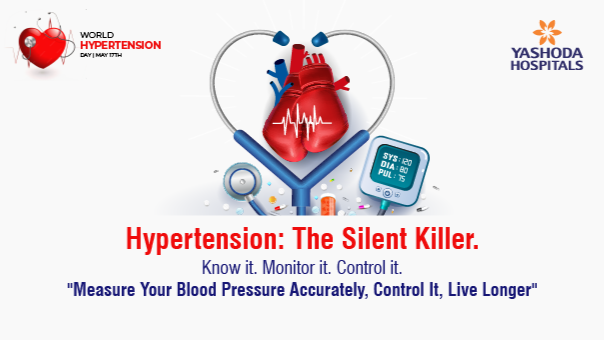
Hypertension, commonly known as high blood pressure, is often referred to as the “silent killer.” The reason for this ominous nickname is simple: it can develop quietly without any noticeable symptoms, yet it significantly increases the risk of life-threatening conditions like heart disease, stroke, and kidney failure. What makes it even more dangerous is that many people are unaware that they have it until it’s too late.
In this article, we’ll explore what hypertension is, how it develops, why it’s so risky, and how you can manage and prevent it. By understanding this condition, you can take proactive steps to safeguard your health and well-being.
What is Hypertension?
Hypertension occurs when the force of blood against the walls of your arteries is consistently too high. Blood pressure is measured in two numbers: systolic and diastolic.
- Systolic pressure is the higher number, measuring the pressure in your arteries when your heart beats and pumps blood.
- Diastolic pressure is the lower number, which measures the pressure in your arteries when your heart rests between beats.
A normal blood pressure reading is usually around 120/80 mmHg. If your blood pressure consistently reads at or above 130/80 mmHg, you may have hypertension.
How Does Hypertension Develop?
Several factors contribute to the development of hypertension. It may develop gradually over years, and its causes can be divided into two categories: primary hypertension and secondary hypertension.
- Primary Hypertension: This is the most common type of high blood pressure and doesn’t have a specific identifiable cause. It tends to develop slowly over time due to a combination of genetic factors, lifestyle choices, and environmental factors.
- Secondary Hypertension: This type of hypertension is caused by an underlying health condition such as kidney disease, thyroid problems, or certain medications. It tends to develop more quickly than primary hypertension and may be easier to manage if the underlying condition is treated.
Why is Hypertension So Dangerous?
Hypertension doesn’t cause noticeable symptoms, so many people don’t realize they have it. However, the strain on the arteries and heart can lead to serious health complications. Here’s why hypertension is so dangerous:
- Increased Risk of Heart Disease: High blood pressure forces your heart to work harder to pump blood, which can lead to the thickening and stiffening of the heart muscle. Over time, this can increase the risk of heart failure, heart attack, and other cardiovascular diseases.
- Stroke: Hypertension is a leading risk factor for strokes. The extra pressure from high blood pressure can cause blood vessels in the brain to weaken or rupture, leading to a stroke.
- Kidney Damage: Hypertension can damage the kidneys over time by causing narrowing and hardening of the blood vessels that supply them. This reduces kidney function and can lead to kidney disease or failure.
- Vision Loss: The increased pressure in the blood vessels can damage the delicate vessels in the eyes, leading to vision problems or even blindness.
- Aneurysm: Chronic high blood pressure can weaken blood vessel walls, which may eventually lead to an aneurysm—an abnormal bulge in the blood vessel that can rupture and cause life-threatening internal bleeding.
Risk Factors for Hypertension
While anyone can develop hypertension, certain factors increase your risk. Some risk factors are controllable, while others are genetic or unavoidable. The key risk factors include:
- Age: As you get older, your risk of developing high blood pressure increases. Blood vessels naturally become stiffer over time.
- Family History: A family history of hypertension can increase your risk, indicating a genetic predisposition to the condition.
- Obesity: Being overweight puts extra strain on your heart and blood vessels, increasing the risk of developing high blood pressure.
- Physical Inactivity: A sedentary lifestyle contributes to weight gain and poor cardiovascular health, both of which can lead to hypertension.
- Poor Diet: Diets high in sodium (salt), unhealthy fats, and low in potassium can lead to high blood pressure. Excessive alcohol consumption also contributes to the condition.
- Smoking: Smoking damages the blood vessels and increases the risk of hypertension.
- Stress: Chronic stress and unhealthy coping mechanisms (like overeating or drinking alcohol) can contribute to high blood pressure.
How to Prevent and Manage Hypertension
The good news is that hypertension is largely preventable and manageable with lifestyle changes and, if necessary, medications. Below are effective strategies for preventing and managing high blood pressure:
- Eat a Healthy Diet: Focus on a heart-healthy diet, such as the DASH (Dietary Approaches to Stop Hypertension) diet. This includes eating plenty of fruits, vegetables, whole grains, lean proteins, and healthy fats. Reducing your intake of sodium, processed foods, and unhealthy fats is crucial.
- Exercise Regularly: Physical activity helps maintain a healthy weight and strengthens the heart, making it more efficient. Aim for at least 30 minutes of moderate exercise, such as walking, swimming, or cycling, most days of the week.
- Limit Alcohol Consumption: Drinking too much alcohol can increase blood pressure. Men should limit their intake to no more than two drinks per day, and women should limit themselves to one drink per day.
- Quit Smoking: Smoking raises blood pressure and damages the blood vessels, so quitting is crucial for long-term heart health.
- Maintain a Healthy Weight: Losing even a small amount of weight can have a significant impact on reducing blood pressure. A healthy weight reduces strain on the heart and can help keep blood pressure under control.
- Manage Stress: Chronic stress can raise blood pressure over time. Practice relaxation techniques such as deep breathing, meditation, yoga, or mindfulness to manage stress effectively.
- Monitor Your Blood Pressure: Regularly checking your blood pressure can help catch any changes early. If you have high blood pressure, work with your healthcare provider to monitor and manage it effectively.
- Take Medications as Prescribed: If lifestyle changes alone aren’t enough to control your blood pressure, your doctor may prescribe medication. It’s essential to take your medications as prescribed and follow up regularly with your healthcare provider.
Conclusion: Take Control of Your Health
Hypertension is a serious health condition, but it doesn’t have to be a silent killer. By understanding the risks and taking proactive steps, you can reduce your risk of developing high blood pressure and manage it effectively if you already have it. The key lies in adopting a healthy lifestyle that includes a balanced diet, regular exercise, stress management, and regular check-ups with your healthcare provider. Don’t wait for symptoms to appear—take action today to protect your heart, kidneys, and overall well-being.
